

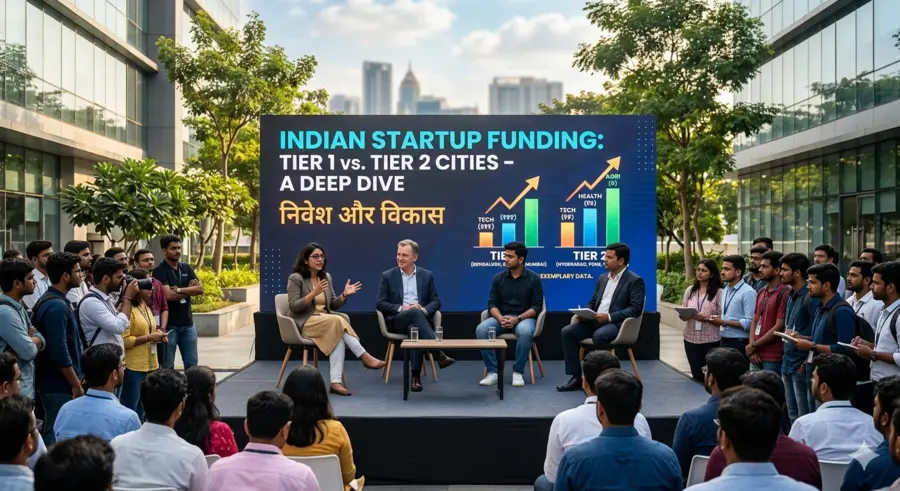
The Indian Startup Funding scene has changed. Raising money in 2026 is very different from 2021. Valuations are more realistic, due diligence is stricter, and investors want proof of unit economics and repeatable growth — not just a flashy pitch.
Whether you’re talking to angels, joining an accelerator, or negotiating with VCs, the rules of the game have matured. This is the complete, no-fluff guide to every major funding source in India today.
· · ·
1. Angel Investors – Your First Real Money
Angels still fund the majority of pre-seed and seed rounds. Typical check size: ₹25 lakh – ₹3 crore (often syndicated).
How to approach: Apply on LetsVenture, Indian Angel Network, or 100X.VC. Personalised cold outreach works if you have traction.
· · ·
2. Accelerators & Incubators
Top programs (Y Combinator India cohort, Techstars, Axilor, Antler) offer ₹10–50 lakh + strong network. Most take 5–10% equity.
· · ·
3. Venture Capital – Seed to Series A
VCs have become selective. They look for strong retention, repeatable GTM, and improving unit economics.
· · ·
Documents You Need Before Raising
- DPIIT Recognition Certificate
- Clean cap table
- 10–12 slide pitch deck
- Financial model (18-month projection)
- Founders’ agreement & ESOP documents
· · ·
Sample Indian Term Sheet Highlights (2026)
• Pre-money valuation: ₹12–40 Cr (realistic range)
• Investment amount: ₹5–12 Cr
• Liquidation preference: 1x Non-participating (most common and founder-friendly)
• Anti-dilution: Broad-based weighted average (rarely full ratchet at seed)
• Board: Usually 1 investor observer or director seat
• Founder vesting: 4 years with 1-year cliff
• ESOP pool: 10–15% top-up post-round
Indian vs Global Difference: Indian term sheets are generally more founder-friendly on liquidation preference and anti-dilution compared to aggressive US-style terms. However, protective provisions and information rights are strictly enforced.
· · ·
FEMA & Foreign Investment Rules
Foreign capital must follow FEMA guidelines. Most sectors fall under the automatic route. You must file Form FC-GPR within 30 days of receiving foreign funds.
· · ·
FAQs – Startup Funding in India 2026
Yes. Almost every serious angel and VC asks for it. It also unlocks angel tax exemption for your investors.
Angel round: 6–12 weeks
Seed round: 2–4 months
Series A: 3–6 months (including due diligence)
Yes, but you must comply with FEMA. Most foreign angels invest through Indian entities or via platforms that handle compliance.
Raising too early with weak traction or spending months talking to too many investors without a clear plan. Focus on building strong metrics first.
Sometimes yes. A strong investor who adds value and helps you raise the next round is worth 10–20% lower valuation.
Start Raising Smarter Today
1. Get your DPIIT recognition done this week.
2. Build a clean data room and update your pitch deck.
3. Create a realistic 18-month financial model.
4. Talk to 3–5 founders who raised recently.
The second best time to prepare is now.
Subscribe for more no-fluff founder guides →