

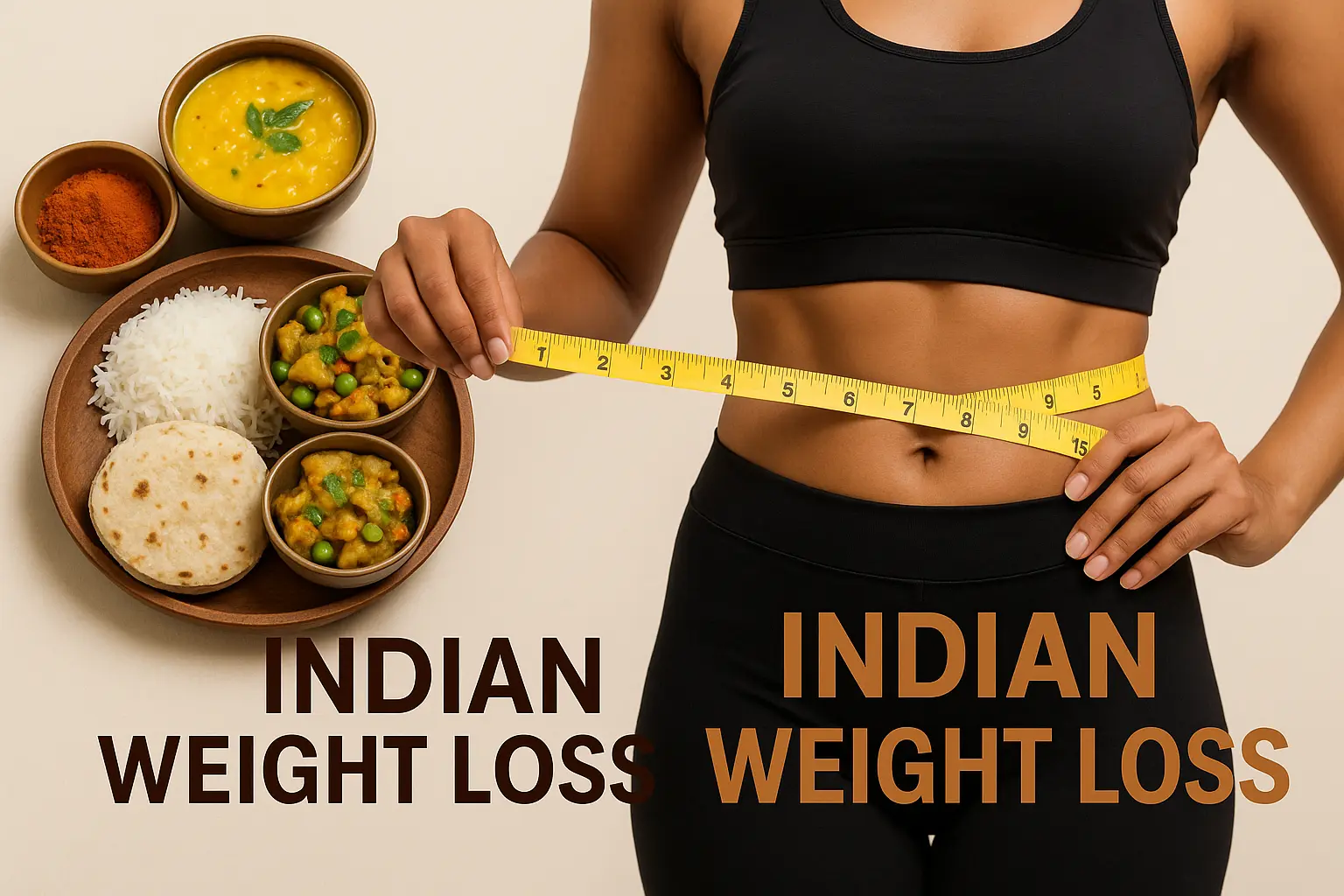
The Ultimate Indian Weight Loss Guide: Foods, Hacks & 7-Day Weight Loss Diet Plan for the Indian Body Type
If you’re searching for The Ultimate Indian Weight Loss Guide, you’re likely tired of generic diet plans that ignore Indian eating habits and body types. Weight loss in India isn’t just about cutting calories—it’s about aligning with local food preferences, climate, and lifestyle. This guide is built for Indians, with practical foods, actionable hacks, and a 7-day diet plan tailored for the Indian body type. Let’s cut through the noise with evidence-based strategies.
Did you know that over 20% of Indian adults are overweight, as per the National Family Health Survey (NFHS-5, 2021)? With sedentary lifestyles and carb-heavy diets, weight loss is a growing concern. This isn’t about crash diets but sustainable changes rooted in Indian contexts.
Indian Weight Loss Foods: What Works for Our Bodies
Indian cuisine is diverse, but not all staples support weight loss. Focus on foods that align with the Indian body type—typically prone to storing fat around the abdomen due to genetic predispositions and high-carb diets. Here’s what to prioritize:
- Millets over Rice: Ragi and jowar have a lower glycemic index than white rice, stabilizing blood sugar and reducing fat storage.
- Spices for Metabolism: Turmeric (with curcumin) and cinnamon can boost metabolism, backed by studies in the Journal of Nutritional Biochemistry.
- Protein-Rich Dals: Lentils like moong and masoor offer protein without the fat of red meat, ideal for vegetarian diets.
- Low-Cal Veggies: Lauki (bottle gourd) and tori (ridge gourd) are water-rich and filling, common in Indian kitchens.
Avoid processed snacks like namkeen and sugary chai, which add empty calories. Stick to whole, unprocessed foods that your grandmother would recognize.
Weight Loss Hacks for Indians: Small Changes, Big Impact
Forget extreme fasting or imported superfoods. These weight loss hacks for Indians are practical and fit into busy schedules:
- Morning Detox: Start with warm water, lemon, and a pinch of jeera (cumin). It aids digestion, a common issue for Indians eating heavy meals.
- Portion Control with Thalis: Use smaller bowls in your thali to trick your brain into eating less without feeling deprived.
- Walk Post-Meals: A 10-minute walk after dinner, a habit in many Indian households, improves insulin sensitivity, per a 2022 study in Diabetes Care.
- Cut Late-Night Snacking: Late dinners or munching while watching TV are cultural norms but pack on kilos. Set a 7 PM cutoff.
Crafting a 7-Day Indian Weight Loss Diet Plan That Sticks
A structured 7-day Indian weight loss diet plan is critical for consistency. This isn’t about starvation but balance, using familiar ingredients. Here’s a sample:
| Day | Breakfast | Lunch | Snack | Dinner |
|---|---|---|---|---|
| Day 1 | Ragi dosa, mint chutney | Brown rice, rajma, cucumber salad | Handful of almonds | Moong dal khichdi, lauki sabzi |
| Day 2 | Besan chilla, curd | Roti, palak paneer, kachumber | Green tea | Grilled chicken, steamed veggies |
| Day 3 | Poha with peanuts | Millet khichdi, curd, salad | Roasted chana | Dal soup, tori sabzi |
| Day 4 | Oats upma, boiled egg | Brown rice, fish curry, greens | Fruit (papaya) | Vegetable soup, roti |
| Day 5 | Idli, sambar | Roti, chana masala, salad | Buttermilk | Quinoa salad, grilled paneer |
| Day 6 | Moong dal cheela | Millet pulao, curd, pickle | Mixed seeds | Chicken broth, steamed veggies |
| Day 7 | Whole wheat paratha, curd | Brown rice, dal, bhindi sabzi | Green tea | Light khichdi, salad |
This plan keeps calories around 1200-1500 daily, adjustable based on activity levels. Hydrate with 2-3 liters of water, and avoid sugary drinks like lassi or cola.
Overcoming Indian Weight Loss Challenges: Cultural and Practical Tips
Indian weight loss journeys face unique hurdles—family feasts, social pressure to eat, and limited access to gyms in smaller towns. Here’s how to navigate them:
- Festive Eating: During Diwali or weddings, pick one indulgence (like gulab jamun) and balance with lighter meals the next day.
- Time Crunch: No time to cook? Prep overnight oats or dal in bulk. Indian kitchens are perfect for batch cooking.
- Carb Dependency: Gradually reduce roti or rice portions by 25% weekly, replacing with veggies or protein.
- Affordable Exercise: Skip expensive gyms. Bodyweight exercises like surya namaskar or brisk walking in local parks work just as well.
Studies from the Indian Council of Medical Research (ICMR) show that consistent small changes—like cutting 200 calories daily—yield better long-term results than drastic diets for Indian populations.
FAQs on Indian Weight Loss: Quick Answers to Common Queries
1. What is the best Indian diet for weight loss?
A balanced diet with millets, dals, low-cal veggies, and minimal processed foods works best. Focus on portion control and include metabolism-boosting spices like turmeric.
2. How can I lose weight fast with Indian food?
Fast weight loss isn’t sustainable, but you can accelerate results by cutting sugar, walking post-meals, and following a 7-day Indian weight loss diet plan like the one above. Aim for 1-2 kg loss per month.
3. Are Indian foods good for weight loss?
Yes, many Indian foods like ragi, moong dal, and lauki are low-calorie and nutrient-dense. Avoid fried items and excessive ghee to keep them weight-loss-friendly.
4. How to reduce belly fat with an Indian diet?
Target belly fat by reducing refined carbs (white rice, maida), adding fiber-rich foods (millets, veggies), and doing targeted exercises like planks. Consistency is key, as per ICMR guidelines.
This guide isn’t just another diet plan—it’s a framework built for Indian lifestyles, backed by data, and focused on sustainability. Start with one change today, whether it’s swapping rice for millet or walking after dinner, and build from there. Got questions or need a personalized tweak? Drop a comment or join our newsletter for deeper insights.